Why Most Junior Players Burn Out (And How Parents Can Prevent It)
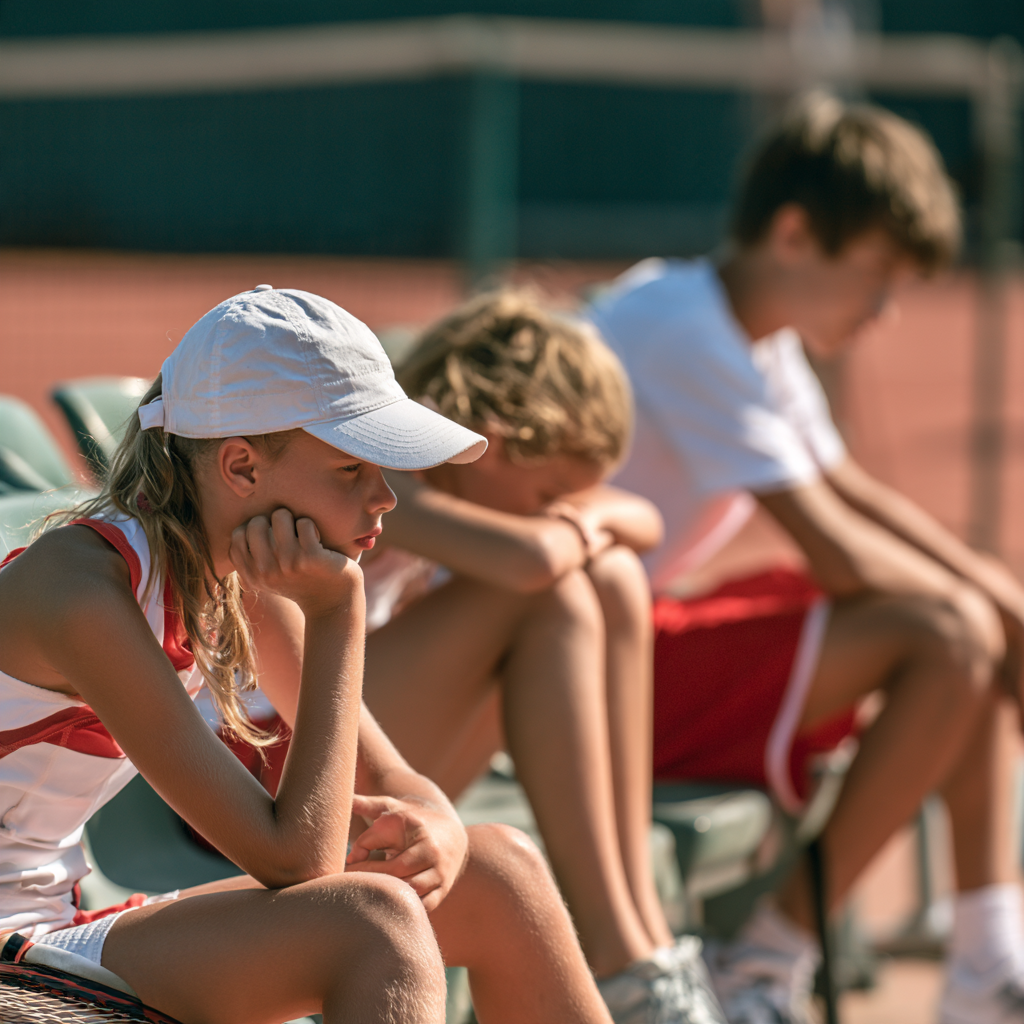
I’ve spent most of my life around tennis courts. Over those years I’ve seen something heartbreaking again and again. A kid with real talent, who once couldn’t wait to get to the court, slowly stops caring. Then one day they put the racquet down and never pick it up again.
Nobody calls it burnout when it’s happening. It looks like a bad attitude, a slump, or a “phase.” By the time the adults around the player realize what’s going on, the love is already gone.
I want to explain why this happens, what the warning signs look like, and what parents can do about it. I’m not writing as a critic. Most of the parents I’ve met love their kids and want the best for them. The trouble is that “the best” often gets confused with “the most.”
The Real Reason Juniors Burn Out
Burnout isn’t caused by hard work. Kids can handle hard work, and the best players I’ve known loved it.
It happens when three things go missing: joy, ownership, and rest. Take those away for long enough, and even the most gifted player starts to feel like tennis is something being done to them instead of something they’re doing for themselves.
Let me break down how that happens.
1. Tennis Stops Being Fun
This sounds obvious, but it’s the number one cause. Every great player I’ve known started because they loved hitting a ball. Somewhere along the way, a game became a job.
It usually happens gradually. First comes the rankings talk. Then the tournament schedule gets heavy. Then every practice has a purpose, every match has a result, and every result gets analyzed over dinner. Eventually the kid isn’t playing tennis anymore. They’re performing for an audience of adults who are keeping score.
When there’s no room left for play, there’s no reason left to stay.
2. Specializing Too Early
Tennis rewards early starts, so parents feel pressure to commit young. I understand that. But when a nine-year-old plays tennis year-round, with no other sports, no real downtime, and no chance to just be a kid, the risk goes up in two ways: physical overuse injuries, and mental exhaustion.
The players I’ve seen last longest often played other sports growing up. They climbed trees, kicked soccer balls, and swam. They developed athleticism and curiosity, and they came back to tennis fresh.
3. The Player Loses Ownership
This is the quiet one, and I think it’s the most damaging.
When a child is 8 or 10, the parents make the decisions, and that’s fine. But as a player grows, their relationship with the sport has to shift. They need to start owning their goals, their schedule, and their effort.
When a parent keeps making every decision, such as which tournaments, which coach, and how many hours, the player never gets to build a personal “why.” And without their own reason, they’re borrowing someone else’s dream. Borrowed dreams are heavy, and eventually people put them down.
4. Love Starts to Feel Conditional
Kids are smart. They notice exactly how the mood in the car changes after a win versus a loss. They notice who gets attention, who gets praise, and who gets silence.
If a young player starts to believe that approval depends on results, they stop playing to win and start playing not to lose. That’s a miserable way to compete. They get tight, they get anxious, and the game that used to set them free becomes a source of dread.
5. There’s No Real Rest
I’ve watched kids go from school to practice to fitness to homework to bed, six or seven days a week, for months. Then the parents wonder why the player seems flat, irritable, or injured.
Rest is not laziness. It’s when the body repairs itself and the mind resets. A player who never gets a break doesn’t get better. They get tired.
The Warning Signs Most Parents Miss
If you catch burnout early, you can usually turn it around. Here are the signals I’d watch for:
- Dread before practice or matches. Not nerves, which are normal, but real reluctance.
- A drop in enthusiasm. They stop talking about tennis, stop watching it, stop asking to play.
- Frequent minor injuries or illness. The body often speaks when the mouth won’t.
- Irritability or emotional outbursts that seem out of proportion.
- Sudden perfectionism or fear of failure, where they won’t try new shots in matches because they’re afraid to miss.
- Declining results despite more work. More training, worse performance. That’s a classic red flag.
- Saying “I have to” instead of “I want to.” Listen closely to the language.
If you see several of these at once, don’t wait. Have a conversation.
How Parents Can Prevent It
Here’s what I’ve seen work, and what I’d tell any parent who asked me over a cup of coffee.
Be the Safe Place, Not the Second Coach
Your child already has a coach. What they need from you is something else: the person who loves them no matter what happened on court.
The best thing you can say after a match, win or lose, is some version of “I love watching you play.” Save the analysis for the coach, and let the car ride home be about connection, not correction.
Ask Better Questions
Instead of “What was the score?” or “Why did you miss that volley?”, try:
- “Did you have fun out there?”
- “What was your favorite moment today?”
- “What do you want to work on?”
Notice that the last question puts the player in the driver’s seat. That’s the point.
Let Them Own the Journey
As your child gets older, hand over more responsibility. Let them help set goals. Let them have a say in the schedule. Let them pack their own bag, talk to their coach, and decide how badly they want it.
A player who chooses the work will outwork a player who’s been pushed into it, every time.
Protect Their Other Interests
Encourage friendships outside tennis. Encourage other sports, hobbies, and unstructured time. A well-rounded kid is a more resilient athlete. And if tennis ever ends for them, whether by choice or injury, they’ll still know who they are.
Build Rest Into the Plan
Schedule breaks the same way you schedule practice. Take weeks off during the year. Insist on days with no racquets. Treat recovery as part of the training, because it is.
Keep Perspective About the Odds
I say this with love: most junior players will not become professionals, and that’s okay. Tennis gives kids discipline, resilience, fitness, and friendships that last a lifetime. Those are huge wins.
When parents tie the entire experience to a pro career or a scholarship, every setback feels like a disaster. When they focus on development as a person, every match becomes a chance to grow.
Choose the Right Coach and Environment
Look for a coach who cares about the whole player, not just the results. Watch how they speak to kids when things go badly. Do they teach, or do they shame? Do they keep the sessions engaging, or turn every drill into a grind?
The environment matters as much as the technique.
What I’ve Learned From My Own Journey
I can tell you that the pressure to perform never fully goes away, even at the professional level. The players who last are the ones who learned early to love the process, not just the outcome.
That’s the mindset I try to pass on to every player I work with. The goal is not just to produce a great player. It’s to protect a young person’s love for the game so they can pursue it as far as their talent and desire will take them.
The best players are not afraid to be different. They learn, adapt, compete, and keep building. But they can only do that if they still want to be there.
The Bottom Line
Burnout isn’t a sign that a kid is weak or ungrateful. It’s a sign that the balance tipped too far, too long, without enough joy, ownership, or rest.
If you’re a parent, here’s the simplest thing I can tell you: keep the love of the game alive, and the rest will take care of itself. Be their biggest fan, ask good questions, give them room to breathe, and trust the process.
Tennis is a long game. Play it that way.

TennisMatch.io
Finding someone to play with shouldn’t take a dozen texts and a lot of luck. TennisMatch.io connects players with courts and playing partners in minutes, whether you play tennis, pickleball, or padel. Search for open courts near you, find partners who match your level and schedule, and get on the court without the hassle. New in town, coming back to the game, or just tired of canceled hitting sessions? TennisMatch.io keeps your calendar full and your game moving. Visit TennisMatch.io today, find your next match, and bring a friend along.
RunMyCourts.com
Running a club shouldn’t mean juggling spreadsheets, phone calls, and frustrated members. RunMyCourts.com is club management software built for tennis and racquet facilities, with easy court booking, automatic waitlists that fill canceled slots, and a clean experience your members will recognize right away. It even integrates with guard house guest passes, so your front gate and your courts work as one system. Directors save hours every week, members spend less time chasing courts and more time playing, and the club runs the way it should. Request a demo at RunMyCourts.com and see how much simpler your club can run.
Referral Call to Action
Know a player who’s always looking for a match, or a club that could use better booking? Refer them and get paid. Send friends to TennisMatch.io, or introduce your club or a club director you know to RunMyCourts.com, and you’ll earn referral money for every player or club you bring in. Share the word, grow the tennis community, and get rewarded for it. Contact us today.