
Serena’s Return Turns Wimbledon Into a Cultural Event, Not Just a Tournament
Why legacy, media, streaming, and culture can make a major tournament larger than the sport itself.
Read article →I’m Rich Benvin—a former ATP player, WTA coach, tennis professional, entrepreneur, and builder of digital projects across sports, AI, crypto, health, media, and community.
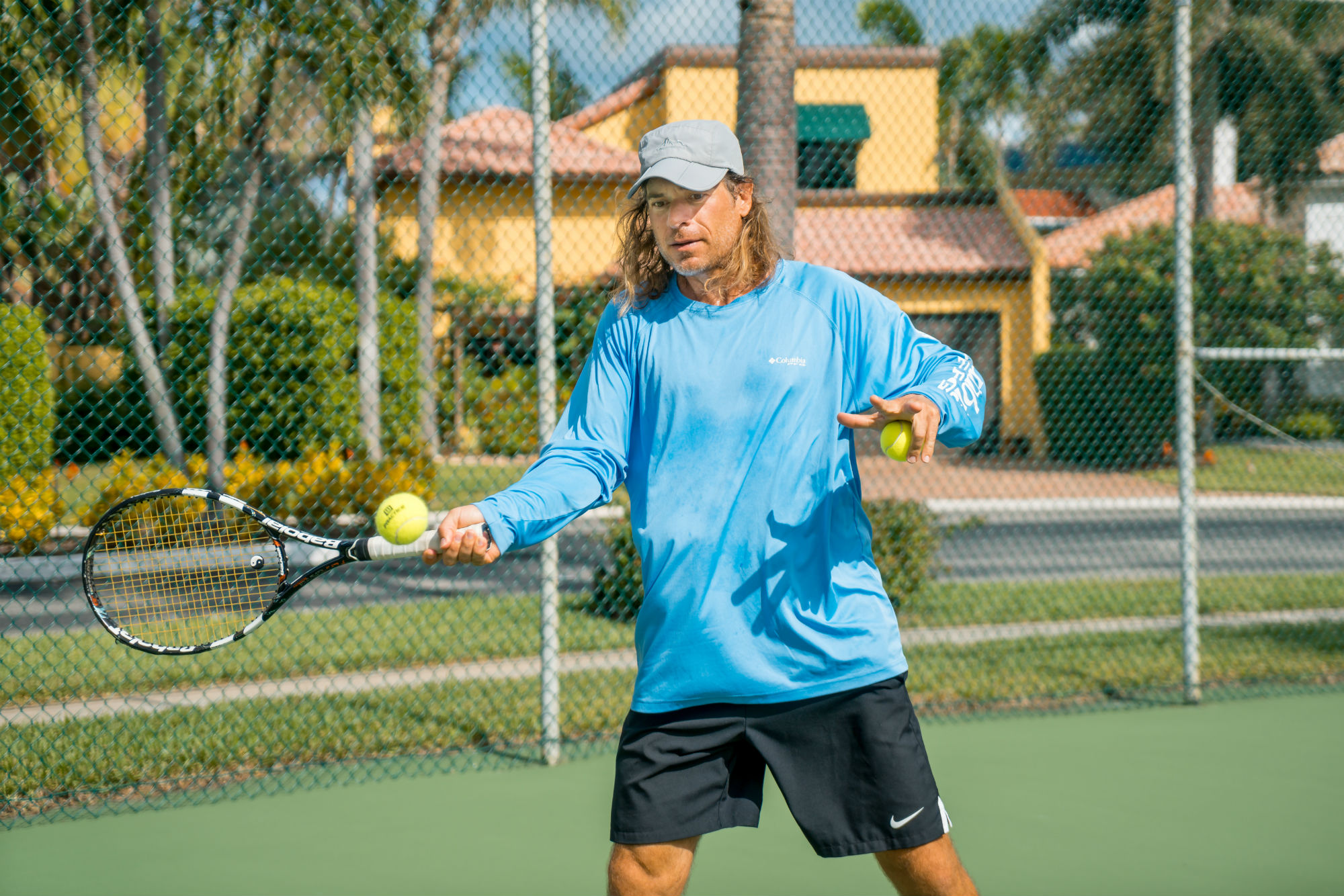
Tennis leads the story. The wider network shows how performance, technology, markets, health, and community fit together.
Coaching, competition, player development, Teo Davidov, and the future of tennis.
Enter the tennis network →AI agents, automation, websites, marketing, creator tools, and media.
Explore digital ventures →Blockchain, tokenization, trading psychology, SocialFi, and community ownership.
See market insights →Longevity, psychology, endurance, mentoring, and lessons from the long game.
Build a better operating system →Why legacy, media, streaming, and culture can make a major tournament larger than the sport itself.
Read article →A conversation about the work, mindset, training, and unconventional path behind a rising player.
Read article →Lessons in composure, persistence, pressure, and the ability to continue when the outcome remains uncertain.
Read article →Rich has known and mentored Teo Davidov since he was five. Teo’s ambidextrous style, elite work ethic, and unconventional path make him one of the most compelling young stories in tennis.
“The best players are not afraid to be different. They learn, adapt, compete, and keep building.”— Rich Benvin
Each project serves a distinct audience. Together they form a connected ecosystem of content, tools, services, communities, and experiments.
A broad tennis destination for players, fans, stories, learning, and community.
↗cryptoturf.comCrypto news, education, narratives, projects, tools, and community.
↗alphire.comAI agents, automation, education, and practical implementation.
↗starcaster.proAI-powered creator growth, content, campaigns, contacts, and analytics.
↗normie.onePersonality polls, SocialFi, games, and tokenized engagement.
↗massdensity.comWeb development, marketing, AI systems, SEO, GEO, and infrastructure.
↗A framework for turning transactional online participation into durable community, reputation, and ownership.
Read article →Why trusted participation and community coordination may become scarce and economically valuable resources.
Read article →The story of a young player whose ambidextrous game challenges traditional assumptions about tennis development.
Read article →Lightweight games and polls run immediately in the browser—no theme, account, or database required.
Start, wait for green, then tap.
Reach out about tennis coaching, digital strategy, collaboration, sponsorship, media, AI systems, or one of the projects in the network.
Use the dedicated contact page to choose the subject and continue through the existing WordPress contact system.
Contact Rich